

Property tax administration affects homeowners more heavily today because rising assessments, complicated valuation methods, and inconsistent local regulations create financial uncertainty. Many homeowners assume property taxes remain stable over time, although shifting policies and fluctuating market values often cause unexpected increases. Improper assessments and administrative delays also add pressure, especially for families managing tight household budgets. Homeowners who do not understand how assessments work risk paying more than they should. Awareness of these issues helps individuals identify errors, protect their finances, and navigate their obligations more effectively.
Understanding the Role of Property Tax Administration in Modern Communities
Property tax administration forms the backbone of local government funding. Municipalities rely on property tax revenue to support schools, public safety, infrastructure, and essential services. The administration process includes property identification, valuation, assessment, and collection. Administrators follow established guidelines to maintain fairness and accuracy, although the complexity of modern real estate markets presents challenges.
Property valuation requires accurate data regarding land size, structure type, market condition, neighborhood trends, and physical improvements. Small errors in data processing can lead to significant tax differences. Local tax assessors face increasing workloads as property values change rapidly. This situation contributes to delays, backlogs, and inconsistent assessments, which impact homeowners directly.
Property tax administration affects both new and long term homeowners because values adjust regularly. A community with rising demand may experience steep increases. A declining market may produce reduced assessments, although this process often takes longer due to outdated valuation schedules. Understanding how these fluctuations work allows homeowners to question unexpected changes.
Why Property Tax Bills Are Increasing Faster Than Expected
Rising property tax bills originate from multiple sources. Market appreciation increases home values, which directly raises the assessed amount. Local governments may increase tax rates to support new infrastructure projects. Many municipalities also adjust their administrative practices to account for population growth and service demands. These factors combine to create higher bills for homeowners.
Assessment methods vary widely across regions. Some jurisdictions reassess properties annually. Others reassess only after a sale or long interval. The frequency of revaluation affects how quickly homeowners experience changes in tax obligations. A long reassessment gap followed by a sudden update often results in a sharp increase. Homeowners unfamiliar with these cycles may feel blindsided by the adjustment.
Economic pressures also influence tax decisions. Municipalities facing budget deficits may revise tax structures. Increased public service costs for education, health, safety, and community development generate further financial strain. These issues explain why many homeowners now pay more attention to property tax administration.
The Hidden Problems Homeowners Face Because of Property Tax Administration

1. Assessment Errors Are More Common Than Many People Realize
Errors occur when assessors use outdated property data, incorrect building information, or inaccurate neighborhood valuations. A homeowner may be taxed for a finished basement that does not exist or for an incorrect square footage estimate. The outcome leads to inflated bills. Many homeowners never challenge these errors because they do not understand the assessment process.
2. Unequal Assessments Create Unfair Financial Burdens
Some homes receive higher assessments compared to similar properties. Limited staffing and inconsistent evaluation practices increase the likelihood of unequal outcomes. The lack of uniformity reduces confidence in property tax administration. Homeowners who do not compare their assessments to nearby properties may accept unfair valuations.
3. Little Transparency Makes Appeals Difficult
Homeowners must navigate confusing filing deadlines, appeal forms, and evidence requirements when contesting an assessment. Many homeowners cannot easily access the data used for the valuation. This lack of transparency discourages appeals even when legitimate errors exist.
4. Rapid Market Changes Complicate Valuation
Real estate markets shift quickly. Assessors often rely on data that lags behind current market conditions. A property that recently decreased in value may still carry a high assessment that does not reflect reality. Homeowners bear the cost of these delays.
5. Administrative Delays Affect Taxpayer Planning
Delayed notice of tax changes disrupts household budgeting. Some homeowners receive assessment updates close to payment deadlines. The inability to prepare financially increases stress and reduces predictability.
These hidden issues explain why property tax administration draws greater attention today. Homeowners want transparency, fairness, and consistency to ensure that they pay only what they owe.
How Homeowners Can Protect Themselves From Paying Too Much
Homeowners can take several proactive steps to manage property tax administration more effectively. Education remains essential. Individuals who understand the assessment process can identify errors more easily. Homeowners should request copies of property records to confirm that the data reflects the home accurately. Incorrect descriptions must be corrected promptly.
Comparing assessments among similar properties in the neighborhood provides insight into potential discrepancies. A home assessed significantly higher than nearby properties of similar size and condition requires review. Filing an appeal becomes more effective when supported by evidence.
Hiring a certified independent appraiser strengthens an appeal. Professional appraisers provide unbiased valuations that often carry significant weight during review. Documentation such as photographs, repair estimates, and comparable sales adds credibility to the case.
Understanding exemptions also helps reduce tax burdens. Many jurisdictions offer exemptions for senior citizens, disabled individuals, veterans, and primary residences. These exemptions reduce the assessed value or tax rate. Homeowners must apply for exemptions because they are rarely automatic.
Why Property Tax Administration Is Becoming a Policy Concern
Policy makers increasingly focus on property tax administration because the system affects millions of households. Rising housing costs create affordability issues in many regions. Families struggle to manage mortgage payments alongside increasing tax bills. Policy discussions now emphasize transparency, modernization, and digital administration improvements.
Local governments adopt new software systems to track assessments and manage data more efficiently. Updated technology reduces human error and improves consistency. The transition requires investment and training, although the long term benefits support accuracy.
Policy makers also consider reassessment frequency. A balanced schedule ensures that taxes reflect current market conditions without creating sudden spikes. Thoughtful policy design can stabilize homeowner obligations.
Public engagement plays a role in shaping these policies. Communities that participate in public review sessions influence administrative practices. Homeowners who understand the system can advocate for better fairness and consistency.
The Impact of Property Tax Administration on Home Values
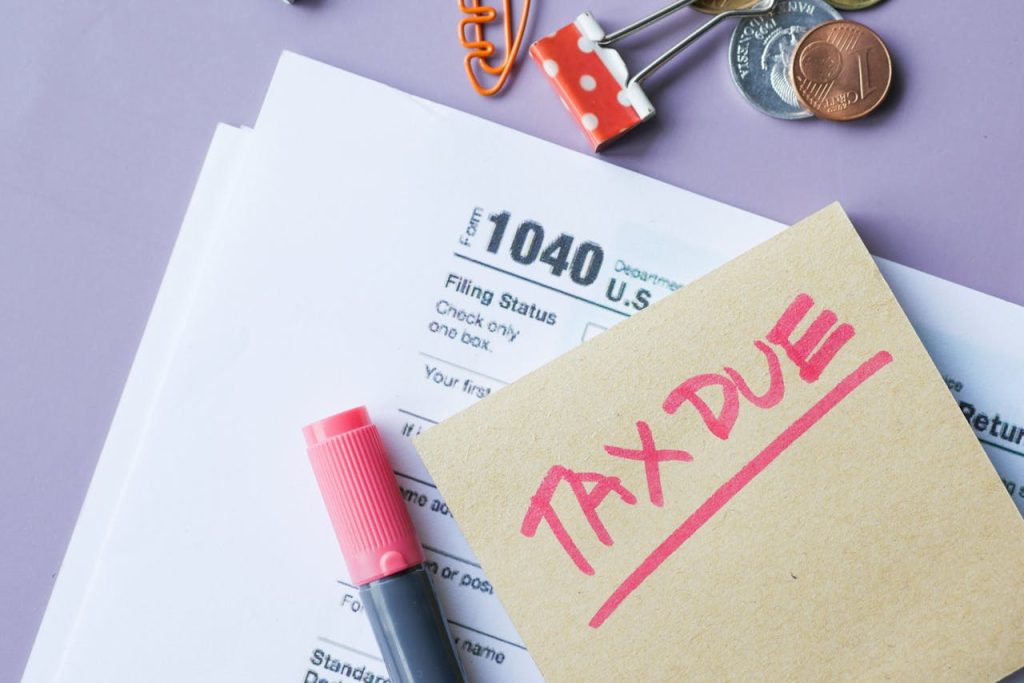
Property taxes directly influence home affordability. Buyers evaluate expected tax obligations when choosing a property. A region with high taxes may experience reduced demand. Lower demand affects market values. Property tax administration indirectly shapes real estate markets by influencing buyer behavior.
Commercial properties also feel the impact. Businesses evaluate property taxes as part of their operational expenses. Excessive tax burdens discourage investment. Local economies benefit from balanced and fair administration because healthy markets support broader financial stability.
Accurate property tax administration encourages responsible development. Fair valuations create equitable contributions among homeowners, which prevents market distortion. A transparent system strengthens community trust and supports long term stability.
Future Trends in Property Tax Administration
Property tax administration continues evolving as technology and policy shift. Digital tools allow homeowners to track assessments online. Automated valuation models support assessors by analyzing market trends quickly. These models offer efficiency, although human oversight remains essential.
Data accuracy improvements provide better valuation reliability. Geographic information systems help map neighborhoods and identify property characteristics visually. Digital recordkeeping reduces paperwork and accelerates homeowner requests.
Public awareness also grows. More homeowners research assessments and appeal rights. Increased scrutiny pushes local governments to maintain accuracy.
Education platforms teach homeowners how to navigate the system. Online resources provide guides for appealing assessments and understanding tax structures. The future of property tax administration includes greater accessibility and transparency.
Conclusion
The question of how property tax administration affects homeowners deserves careful attention because rising assessments and administrative challenges create financial uncertainty. Homeowners who understand the system gain an advantage by identifying errors, seeking exemptions, and appealing unfair valuations. Property tax administration influences community services, home affordability, and market stability. Transparent and consistent practices benefit both homeowners and local governments. Knowledge empowers homeowners to protect their financial interests and prepare for long term obligations.